
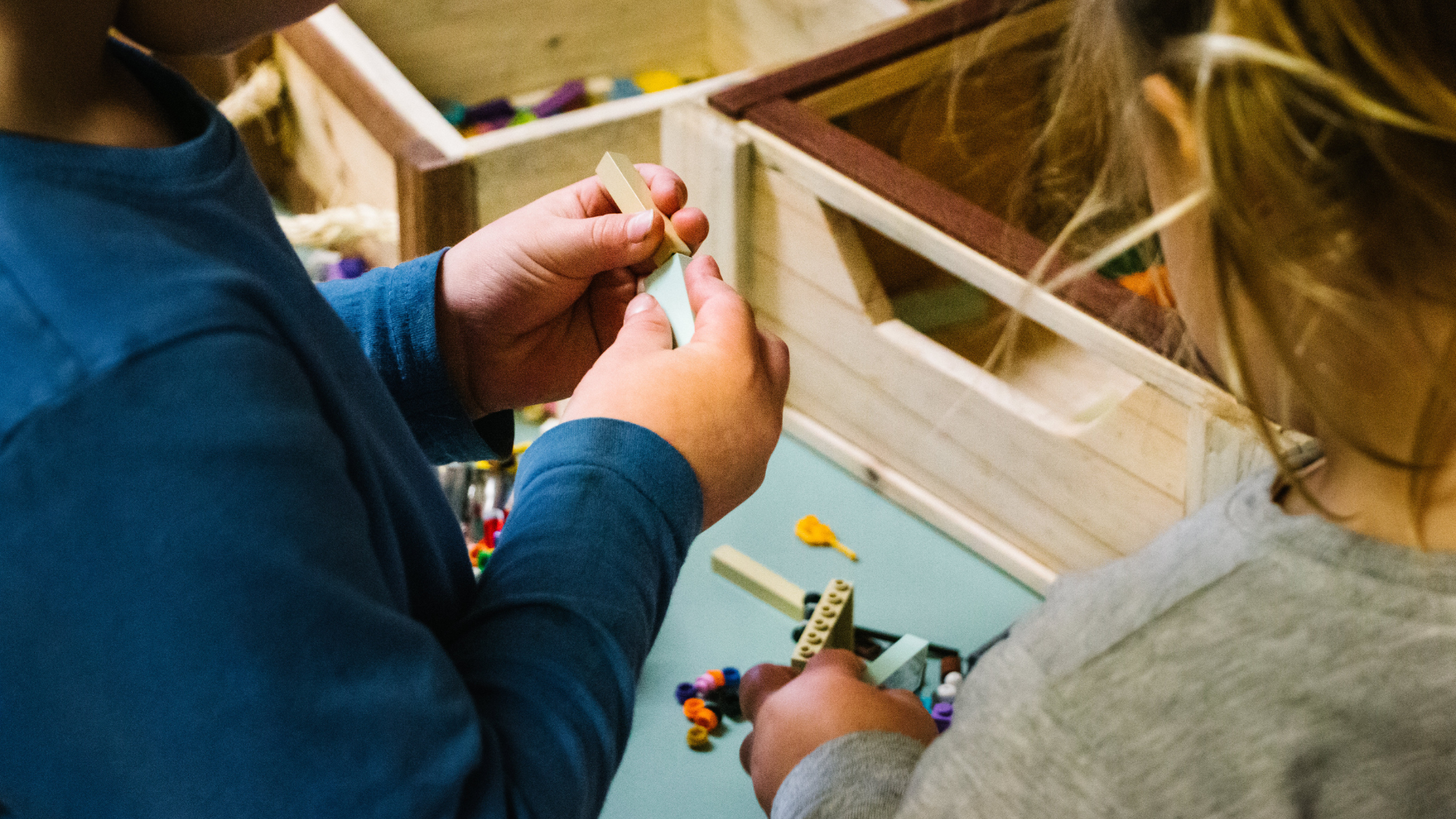

What actually counts as education and learning resources?
They include anything that supports understanding, practice, or assessment, from textbooks and library databases to tutoring, flashcards, and online courses. In Australia, that can also mean TAFE materials, university learning hubs, and state library eResources.
Good education and learning resources are usable, clear, and aligned to the learner’s goal, not just popular or trendy.
How can learners choose education and learning resources that match their goal?
They should start by naming the outcome in one sentence, such as “pass Year 12 Maths Methods” or “write stronger uni essays”. Then they can choose resources that directly build the skill behind that outcome, rather than relying on enabling behaviour that avoids the real learning process or prevents students from developing independent skills.
The best education and learning resources usually include explanation, worked examples, and practice with feedback, not explanation alone.
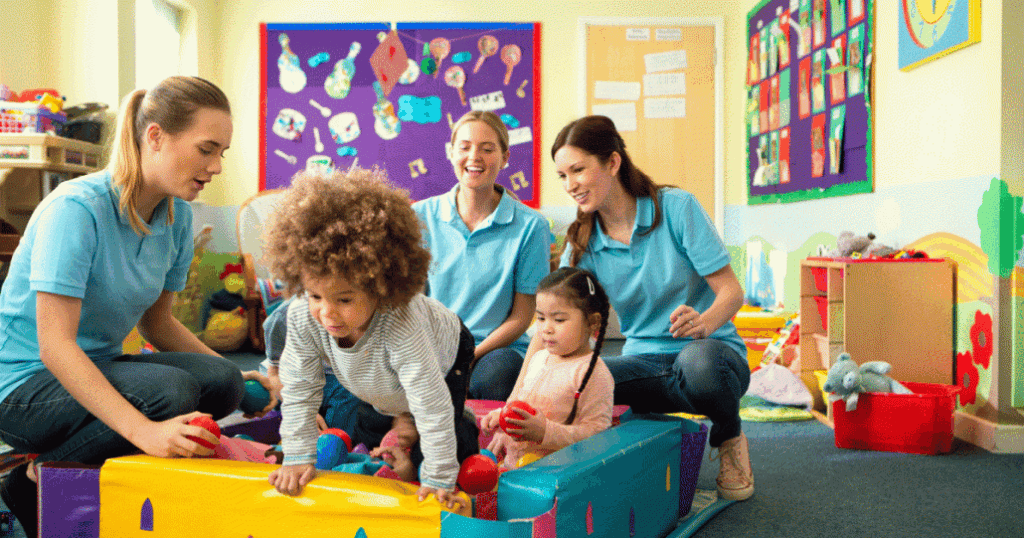
Where can Australians access trustworthy free education and learning resources?
State and territory libraries often provide free digital access to journals, ebooks, language apps, and study support. Many universities also publish academic skills guides that anyone can use, including referencing and research modules.
Trusted education and learning resources are commonly hosted by libraries, universities, government services, and reputable educational organisations with clear authorship.
How do learners know whether a resource is credible and up to date?
They can check who made it, when it was last updated, and whether it cites sources that make sense for Australia. For example, learning about workplace rights should reference Fair Work information rather than overseas summaries.
If education and learning resources make big claims without references, or avoid naming authors, learners should treat them cautiously.
What role do teachers, tutors, and peers play in selecting resources?
They help learners avoid wasting time on materials that do not match the curriculum or assessment style. A teacher may point to the exact syllabus outcome, a tutor can identify specific skill gaps, and peers may recommend resources that worked for them, allowing the learner to verify their quality before investing time. Using effective study techniques can further improve learning efficiency and ensure study efforts align with academic goals.
Human guidance makes education and learning resources more effective because it narrows choices to what is relevant now.
How can learners use enabling behaviour to study more consistently?
Enabling behaviour means setting up conditions that make the desired action easier. That can include laying out materials the night before, studying at the same café near campus, or using app blockers during a 25-minute focus sprint.
With education and learning resources, enabling behaviour looks like reducing friction, so the learner starts faster and repeats the habit more often.
Which practical study systems make resources stick?
Spaced repetition, retrieval practice, and interleaving work across most subjects, from VCE and HSC style content to uni units. Learners can turn notes into self-quizzes, revisit them over days, and mix topics to strengthen recall.
The right education and learning resources support these systems by providing question banks, practice prompts, and clear checkpoints.
How should learners manage digital resources without getting overwhelmed?
Students can stay organised by keeping one “home base” for each subject, such as a dedicated folder in Google Drive or OneDrive with consistent file names. A simple structure like “Week, Topic, Assessment” makes it much easier to find important documents and reduces last-minute stress before deadlines. Adopting digital file organisation tips can also improve productivity and make study resources easier to manage over the long term.
When education and learning resources are organised, learners spend time learning, not hunting for files and links.
What should learners look for in resources for neurodiverse or accessibility needs?
They should prioritise adjustable formats, such as captions, transcripts, dyslexia-friendly fonts, screen reader compatibility, and the ability to slow audio. Many Australian institutions offer accessibility services, and learners can also request reasonable adjustments.
Accessible education and learning resources reduce cognitive load, making effort go into understanding rather than decoding the material.
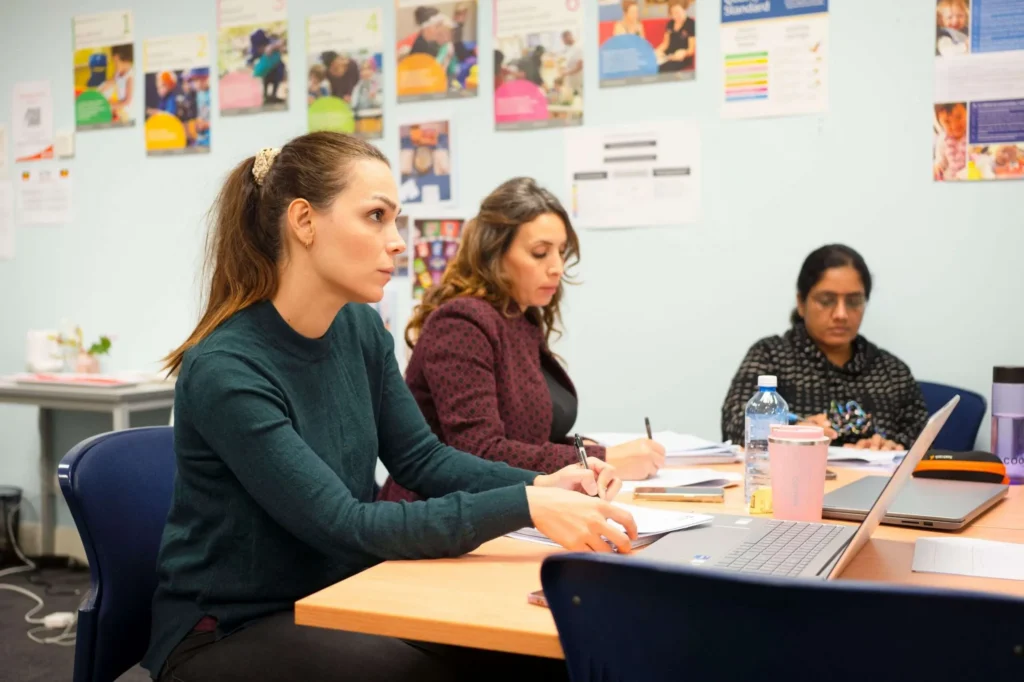
How can learners evaluate whether a resource is actually working?
They can test using outcomes, not feelings. After a week, they should ask: Are quiz scores improving? Are practice essays clearer? Is time-on-task increasing? If not, the resource may be mismatched, or the learner may need more feedback and practice.
Even excellent education and learning resources fail if they do not fit the learner’s level, assessment type, or time available.
How can learners build a personal resource toolkit that lasts?
They can assemble a small but effective set of resources that covers the basics: one clear explainer, one practice source with answers, one feedback channel, and one reliable organisation system. Over time, they can replace individual components while keeping the overall structure consistent, which supports long-term learning and personal growth. Developing building effective personal support systems can also help people manage challenging situations with greater clarity, confidence, and access to the right information.
A lean toolkit of education and learning resources helps students and lifelong learners stay consistent across semesters, courses, and career changes.